
Introduction
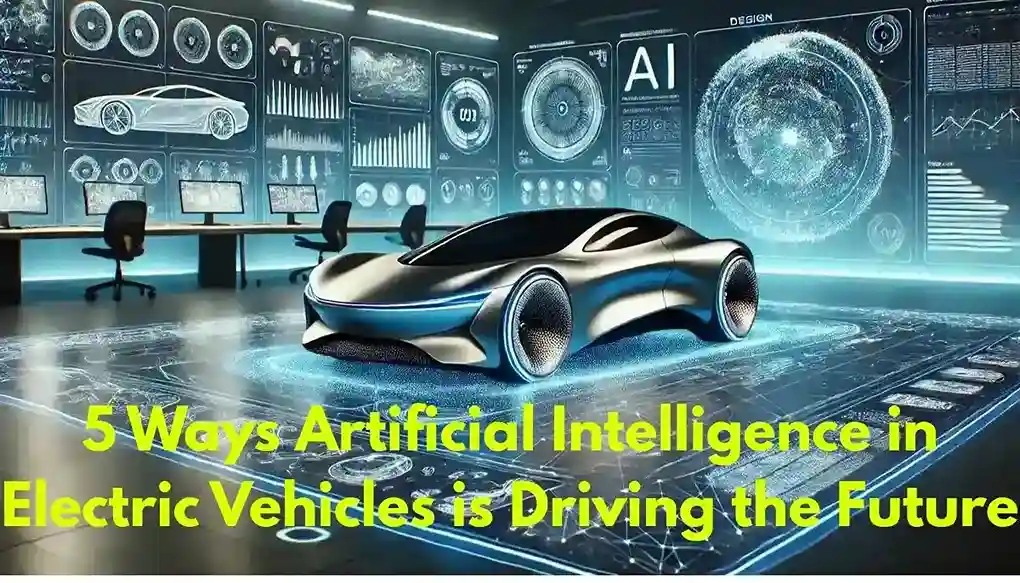
5 Ways Artificial Intelligence in Electric Vehicles is Driving the Future highlights how AI is is redefining the automotive industry. From boosting battery performance to enabling autonomous driving, AI ensures that EVs are not only eco-friendly but also smarter, safer, and more efficient than ever before. As the demand for sustainable mobility rises, integrating AI becomes the key to achieving a futuristic, intelligent, and connected driving experience.redefining transportation. From boosting battery performance to enabling self-driving features, AI ensures EVs are not only eco-friendly but also smart, safe, and highly efficient.
Why Artificial Intelligence in Electric Vehicles Matters
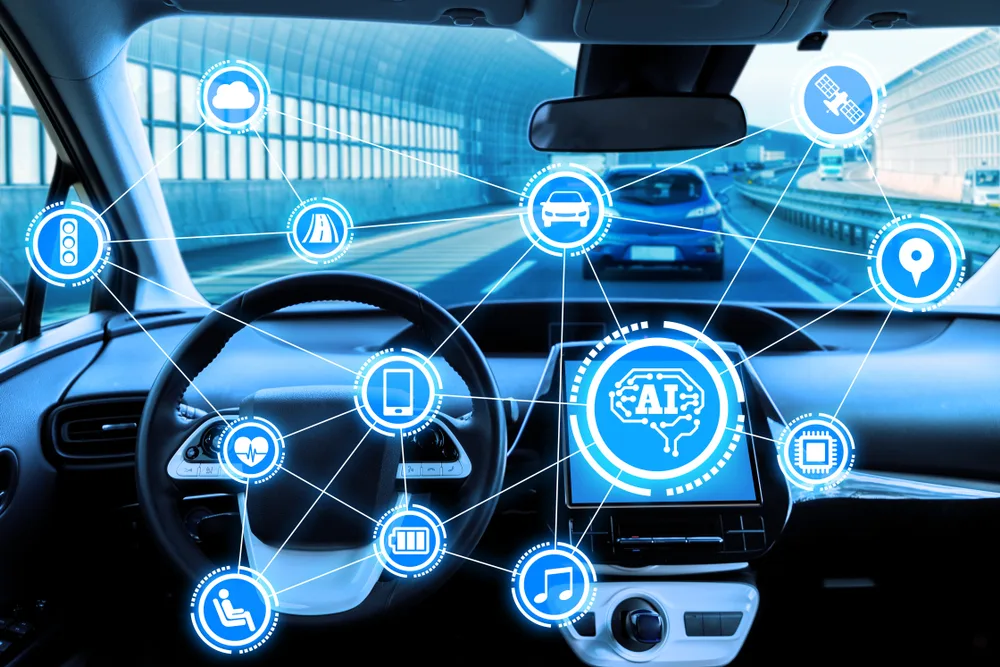
The global shift towards artificial Intelligence in electric vehicles demands technology that enhances performance and user experience. AI delivers exactly that—optimizing systems, reducing costs, and improving safety in real time.
5 Ways AI is Driving the Future of EVs
1. Battery Management Optimization
Battery life is a major concern for EV owners. AI-powered battery management systems (BMS) analyze charging cycles, energy consumption patterns, and external factors like temperature to ensure optimal performance. By predicting energy needs, AI prevents overcharging, overheating, and unnecessary wear—extending the overall lifespan of the battery.
2. Autonomous Driving Features
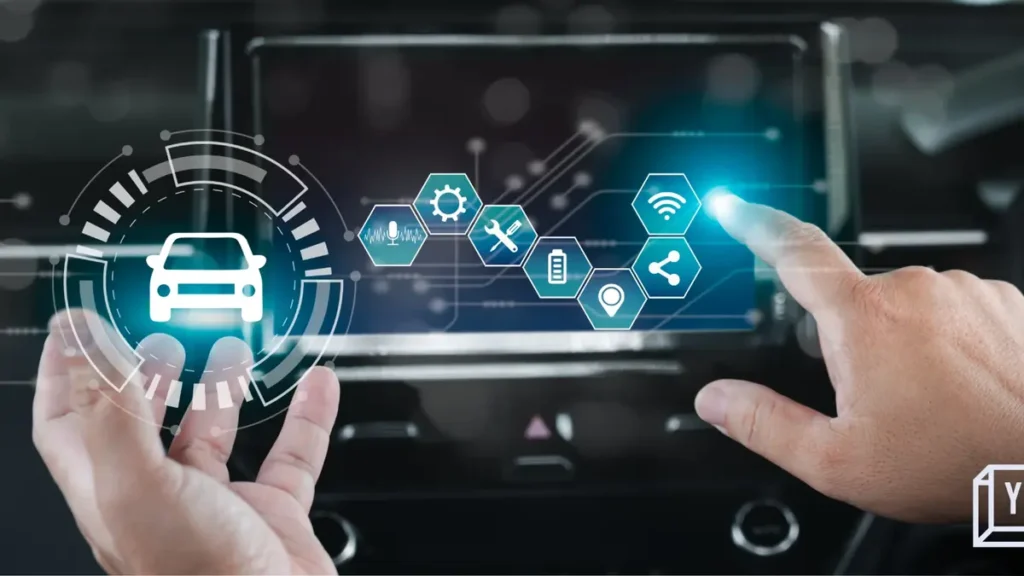
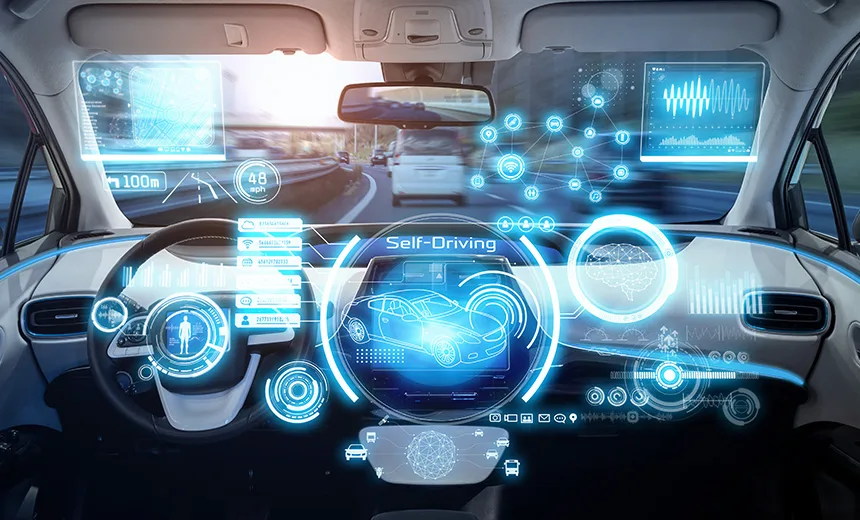
AI is the backbone of self-driving technology. Using advanced machine learning algorithms, EVs can detect obstacles, interpret road signs, and make split-second driving decisions. This allows vehicles to navigate safely with minimal human intervention. While full autonomy is still evolving, AI is already powering features like adaptive cruise control, lane assist, and automated parking.
3. Predictive Maintenance
Unexpected breakdowns are costly and inconvenient. AI helps prevent them by monitoring vehicle performance in real time and predicting potential failures before they happen. Sensors collect data on engine health, battery status, and other critical components, allowing drivers to schedule maintenance before a problem escalates—saving time and money
4. Energy Consumption Efficiency
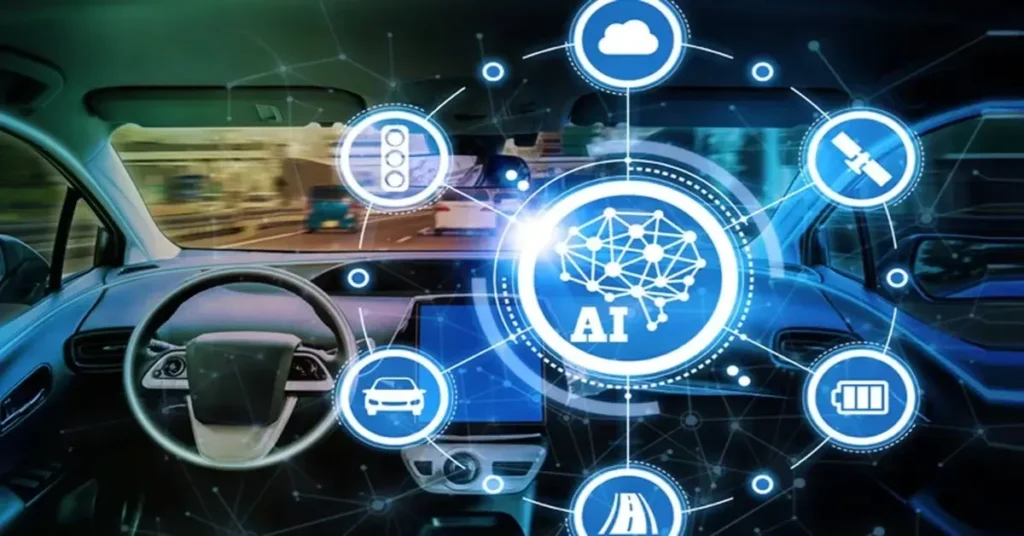
AI doesn’t just manage batteries; it makes EVs more energy-efficient overall. Smart algorithms analyze driving behavior, routes, and weather conditions to suggest energy-saving practices. For example, AI may recommend an optimal route with fewer inclines or adjust power output based on traffic conditions—helping drivers maximize their vehicle’s range.
5. Personalized Driving Experience
AI creates a unique driving experience tailored to each user. From adjusting seat positions and climate control to suggesting the best charging stations, AI learns driver preferences and adapts accordingly. Some systems even provide real-time driving tips to improve performance, comfort, and safety.
Benefits of Artificial Intelligence in Electric Vehicles
- Improved Efficiency – Optimized energy use for longer trips.
- Enhanced Safety – Real-time hazard detection and driver assistance.
- Cost Reduction – Predictive analytics minimize maintenance costs.
- Sustainability – Lower emissions and smarter energy usage.
Conclusion: Artificial Intelligence in Electric Vehicles
The role of Artificial Intelligence in Electric Vehicles will expand further, leading to fully autonomous, highly efficient, and eco-friendly transportation systems.
Q1. How is AI used in electric vehicles?
AI is used for battery management, predictive maintenance, autonomous driving, and energy optimization in EVs.
Q2. Will AI make electric vehicles fully autonomous?
Yes, AI is a key driver of self-driving capabilities, though regulatory and safety challenges remain.
Q3. Can AI improve EV battery life?
Absolutely! AI monitors charging patterns and usage to extend battery lifespan and efficiency.
Q2. Can AI improve EV performance?
Yes, AI enhances performance by analyzing driving data and optimizing vehicle systems.
Q2. Can AI help reduce EV maintenance costs?
Yes, predictive analytics detect issues early, saving costs.