
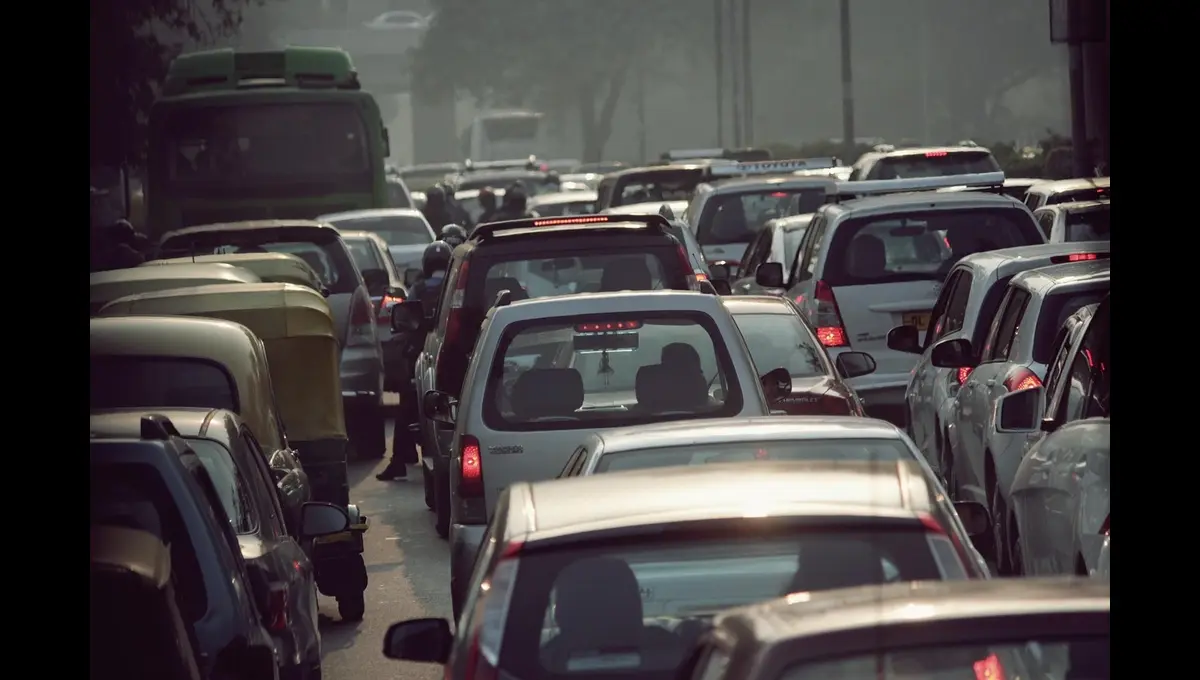
In recent years, cities that ban cars have become a fascinating experiment in urban living. With traffic congestion, air pollution, and noise at record levels, some cities are taking bold steps to reclaim their streets for pedestrians, cyclists, and public transport. But how does this shift affect the daily life of residents, tourists, and local businesses? Let’s explore.
Why Are Cities Banning Cars?
Cities are banning cars to combat rising pollution, road accidents, and poor air quality. According to World Health Organization, air pollution causes millions of premature deaths each year. Car-free initiatives aim to promote sustainability and improve urban well-being.
Daily Life in Cities That Ban Cars
Life in cities that ban cars feels very different. Streets are quieter, the air is cleaner, and walking or cycling becomes the norm. Public transportation systems are more advanced and reliable, while local businesses benefit from increased foot traffic.
Benefits of Car-Free Living
| Benefit | Impact on Daily Life |
|---|---|
| Cleaner Air | Fewer respiratory issues and better overall health |
| Reduced Noise | Quieter neighborhoods, improved mental well-being |
| Safer Streets | Fewer accidents and more pedestrian-friendly areas |
| Stronger Economy | Local shops see more visitors due to walkability |
Challenges of Living Without Cars
While there are clear benefits, Cities That Ban Cars present challenges:
- Accessibility Issues – Elderly and disabled residents may find it harder to move around.
- Delivery Logistics – Businesses must adapt to cargo bikes or electric delivery vehicles.
- Initial Public Resistance – Drivers may resist the transition until benefits become clear.
Examples of Cities That Ban Cars
Several cities have taken bold steps toward car-free living:
- Venice, Italy – Famous for canals, no cars are allowed in central areas.
- Oslo, Norway – Gradually removing cars from its city center.
- Freiburg, Germany – Prioritizes bikes and trams over cars.
- Ghent, Belgium – Transformed into a pedestrian-friendly hub.
The Future of Cities That Ban Cars
Experts predict more cities will adopt car-free policies by 2040, integrating autonomous shuttles, AI-driven transport management, and green urban planning to improve quality of life.
FAQs
1. Are car-free cities realistic for large populations?
Yes, with strong public transport and innovative infrastructure, they are very feasible.
2. Do car bans hurt businesses?
No. Walkable zones often see increased retail activity due to better foot traffic.
3. Can emergency vehicles enter car-free zones?
Yes, these zones still allow emergency and service vehicles.
4. Which cities are next to go car-free?
Barcelona, Paris, and Amsterdam are rapidly expanding low-emission and car-free zones.
5. How do tourists adapt to car-free cities?
Tourists often find car-free cities easier to explore, with attractions becoming more accessible by foot or bike.
6. What alternative transport options replace cars?
Bicycles, e-scooters, trams, buses, and autonomous shuttles are commonly used in car-free zones.
7. How do residents handle grocery shopping in car-free cities?
Local delivery services use cargo bikes, electric carts, or small automated vehicles.
8. Do property values increase in car-free cities?
Yes, studies show property near pedestrian-friendly areas often rises in value.
9. Are car bans permanent or temporary?
Some cities start with temporary bans (weekends, certain zones) before going fully permanent.
10. What role does AI play in car-free cities?
AI helps manage traffic flow, optimize public transport schedules, and improve pedestrian safety.