
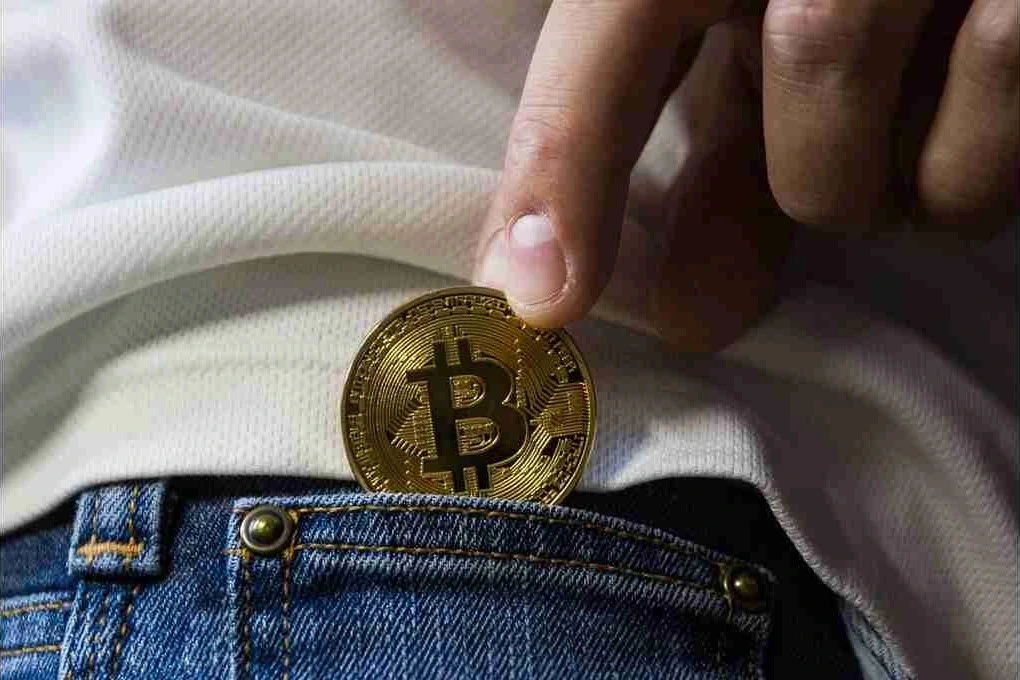
Cryptocurrency for children refers to digital tokens or wallets designed to help kids learn about saving, spending, and financial literacy in a safe and monitored environment. These are often low-risk, educational platforms—different from high-volatility crypto markets for adults.

7 Reasons Cryptocurrency for Children Could Be the Future of Digital Pocket Money
1. Early Financial Literacy
Introducing crypto helps kids understand digital money, wallets, and secure transactions. Learning these skills early prepares them for a tech-driven financial future.
2. Safe and Traceable Transactions
Unlike cash, crypto allows parents to track where money is spent, reducing risks of misuse or loss.
3. Global Usability
Cryptocurrency works across borders, making it easy for kids of expatriates or frequent travelers to access funds.
4. Gamified Learning
Many child-friendly crypto platforms use gamification—turning learning about savings, investments, and transactions into fun activities.
5. Encourages Saving & Smart Spending
Digital wallets can include features like goal-setting and small interest rewards to encourage long-term saving habits.
6. Prepares for a Cashless Future
With digital payments becoming the norm, kids who learn crypto today may have a financial advantage tomorrow.
7. Innovation in Allowance Systems
Platforms like GoHenry and Pigzbe are already experimenting with digital pocket money, combining education with real-world finance.

Cryptocurrency for Children: Risks & Parental Concerns
- Volatility: Cryptocurrency prices can fluctuate widely.
- Security: Private keys and digital wallets require strong password habits.
- Regulatory Gaps: Most countries have no clear laws for minors handling crypto.
Parents should use stablecoins or child-specific crypto platforms to minimize risks.
Comparison Table – Crypto vs Traditional Pocket Money
| Feature | Cryptocurrency for Children | Traditional Pocket Money |
|---|---|---|
| Security | Blockchain-backed, traceable | Can be lost or misused |
| Learning Value | Teaches modern finance | Limited educational scope |
| Accessibility | Requires tech setup | Instantly usable |
| Volatility | High (unless stablecoins) | Stable cash value |
How Parents Can Introduce Kids to Cryptocurrency Safely
- Start Small – Use micro-allowances to limit risk.
- Use Educational Platforms – Apps like GoHenry and Pigzbe are designed for kids.
- Teach Digital Safety – Explain private keys, scams, and cybersecurity.
- Encourage Saving – Use wallets with goal-tracking features.

Conclusion: Cryptocurrency for Children
Cryptocurrency for children is more than a trend—it’s a potential revolution in how kids learn about money. While risks exist, child-friendly crypto systems, parental monitoring, and financial education can make digital pocket money a safe and valuable tool for the future.
FAQs
1. Is cryptocurrency safe for kids?
Yes, when used with parental controls and on secure platforms designed for children.
2. What’s the best crypto for kids?
Stablecoins or tokens used on educational platforms are better than volatile coins like Bitcoin.
3. Are there legal age restrictions?
Most countries don’t allow minors to own crypto independently; parental supervision is essential.
4. Can children earn cryptocurrency instead of just receiving it as pocket money?
Yes. Some educational platforms allow kids to earn tokens by completing learning tasks, chores, or financial quizzes.
5. Which apps are best for introducing children to crypto?
Platforms like GoHenry and Pigzbe are designed to teach kids about digital money in a safe, gamified way.
6. Can crypto help children learn about investing?
Absolutely. Through simulated investments, kids can understand concepts like saving, risk, and returns without real-world financial exposure.
7. How much should parents give in digital pocket money?
It depends on age, responsibility, and family budget. Many experts suggest starting small—around $5 to $10 weekly.
8. Are cryptocurrencies legal for children in all countries?
Laws vary widely. Some countries allow custodial accounts, while others ban crypto trading for minors entirely.
9. Can kids lose their crypto wallets?
Yes, if they lose access to private keys. Parents should help secure wallets with backup and recovery options.
10. Does cryptocurrency for children require internet access?
Yes. Since all transactions are digital, a secure internet connection is necessary.