

YES. If you’re asking, “Should I start investing at 18?” the answer is: the earlier you start, the more powerful your financial journey becomes.
Most young people think investing is only for those with big salaries, but the truth is—even a small amount invested regularly at 18 can grow into a massive fortune thanks to the magic of compounding.
Table of Contents “Should I start investing at 18?”
- Should I Start Investing at 18?
- Why Investing Early Matters
- Benefits of Investing at 18
- The Power of Compounding
- Better Risk Appetite
- Learning from Mistakes Early
- Table: How ₹5,000 Grows if You Start at 18 vs 25
- Best Investment Options for 18-Year-Olds
- Tips to Get Started Safely
- Common Mistakes to Avoid
- FAQs on Investing at 18

Why Investing Early Matters
At 18, you have something that most older investors don’t—time. And time is the strongest weapon in investing. The earlier you start, the longer your money works for you.
Think of investing as planting a tree. The earlier you plant, the bigger and stronger the tree grows.
Benefits of “Should I start investing at 18?”
1. The Power of Compounding
Compounding is like interest earning more interest. Over years, this snowballs into huge returns.
For example:
- If you invest ₹5,000 monthly at 18 with 12% annual returns, by 60, you’ll have over ₹10 Crores.
- If you start at 25 with the same amount, you’ll end up with only ₹3 Crores.
That’s the 7-year difference costing you ₹7 Crores!
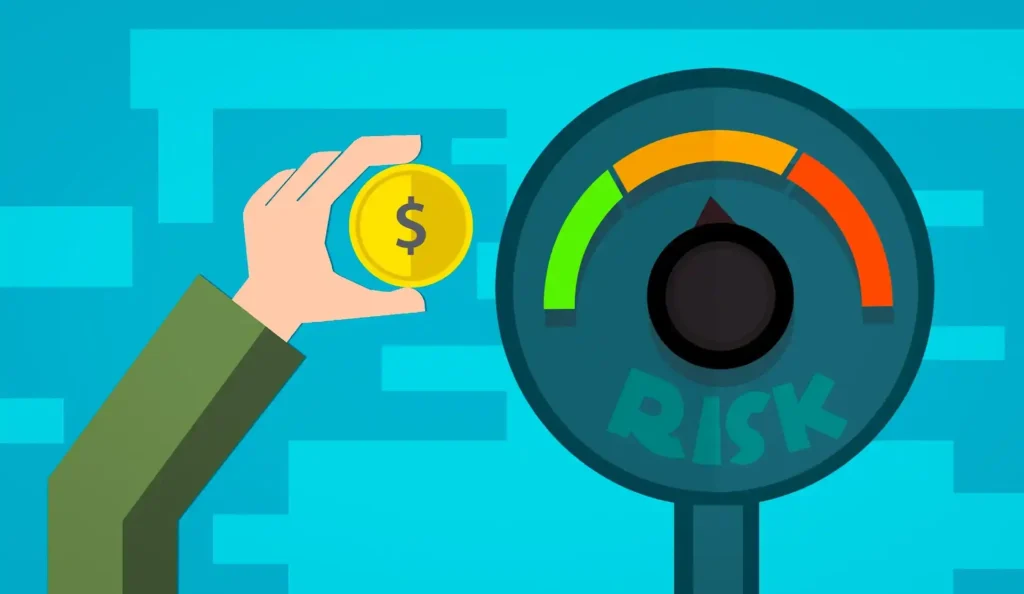
2. Better Risk Appetite
At 18, you can afford to take risks because you have decades to recover from losses. This allows you to invest in higher-growth options like equity mutual funds or even individual stocks.
3. Learning from Mistakes Early
Nobody is perfect in investing. Starting young means you have time to learn, make small mistakes, and correct them—without big financial pressure.

Table: How ₹5,000 Grows if You Start at 18 vs 25
| Age You Start | Monthly Investment | Annual Return | Amount at Age 60 |
|---|---|---|---|
| 18 | ₹5,000 | 12% | ₹10.3 Crores |
| 25 | ₹5,000 | 12% | ₹3.1 Crores |
Difference: ₹7.2 Crores lost just by delaying 7 years!
Best Investment Options for 18-Year-Olds
- Equity Mutual Funds – Great for long-term growth.
- Index Funds & ETFs – Safe and diversified.
- Stocks – Higher risk, higher reward (start small).
- Recurring Deposits / Fixed Deposits – For safety and stability.
- Digital Gold – Good for diversification.
- NPS (National Pension System) – Start retirement planning early.
Tips “Should I start investing at 18?”
- Start with small amounts (₹500–₹1,000 is enough).
- Use trusted apps
- Always research before investing.
- Avoid “get rich quick” schemes.
- Focus on long-term wealth, not quick profits.
Common Mistakes to Avoid “Should I start investing at 18?”
- Investing blindly without research.
- Pulling out money too soon.
- Putting all money in one stock.
- Following social media “tips” without checking.
FAQs
Q1. Is 18 too young to start investing in the stock market?
No, 18 is the best age to start investing. You have the advantage of time, which lets compounding work its magic. The earlier you begin, the more wealth you can build with smaller contributions.
Q2. How much money should I start investing with at 18?
You don’t need a lot. Even ₹500–₹1,000 a month is enough to begin. The key is consistency, not the starting amount.
Q3. Should I invest in individual stocks or index funds as a beginner?
As a beginner, index funds or ETFs are safer because they spread your risk across many companies. Once you gain experience, you can explore individual stocks.
Q4. What if the stock market crashes after I invest?
Market crashes are normal and temporary. Since you’re young, you can ride out downturns. In fact, crashes often present great buying opportunities for long-term investors.
Q5. Do I need a broker to start investing at 18?
Yes, you’ll need a brokerage account. In India, you can use platforms like Zerodha, Groww, or Upstox. In the U.S., apps like Robinhood or Fidelity are popular.
Q6. Is it better to invest in ETFs or mutual funds at 18?
Both are good options. ETFs offer flexibility and lower costs, while mutual funds provide professional management. Choose based on your comfort level.
Q7. How do I balance saving vs. investing at this age?
Follow the 50/30/20 rule: 50% for needs, 30% for wants, and 20% for saving/investing. Always keep an emergency fund before investing heavily.
Q8. Should I prioritize paying off student loans before investing?
If your loan interest is very high, pay that off first. But if the interest is low (like education loans often are), you can do both—make minimum payments while also investing.
Q9. What’s the safest investment option for an 18-year-old?
Index funds, government bonds, or fixed deposits are safer. But for long-term growth, equity mutual funds are a smart balance of risk and reward.
Q10. How does compounding work if I start at 18?
Compounding means your returns earn returns. For example, investing ₹5,000 per month at 12% annual growth from 18 to 60 could give you over ₹10 Crores.
Q11. Should I worry about the economy when investing this early?
Not really. At 18, your horizon is 30–40 years. Short-term economic ups and downs don’t matter much in the long run.
Q12. Can I open a retirement account (like Roth IRA / NPS) at 18?
Yes, in most countries you can. In India, NPS is available. In the U.S., you can open a Roth IRA if you have earned income. Starting early makes retirement stress-free.
Q13. What’s the risk of losing money if I start now?
There’s always risk in investing, but starting young lowers the long-term risk because you can recover from downturns. Staying invested long-term reduces the chance of loss significantly.
Q14. Is dollar-cost averaging a good strategy for beginners?
Absolutely. Investing a fixed amount regularly (monthly SIPs, for example) protects you from market timing mistakes and builds wealth steadily.
Q15. Should I learn about trading or focus on long-term investing?
At 18, focus on long-term investing. Trading is risky, stressful, and requires deep knowledge. Long-term investing in index funds or mutual funds is far safer.
Q16. How much return can I realistically expect if I start investing at 18?
Historically, the stock market delivers 8–12% annual returns. That may not sound exciting, but over decades it compounds into massive wealth.
Q17. Is it okay to invest with apps like Robinhood, Zerodha, or Groww?
Yes, these apps are beginner-friendly and safe (if regulated). Just make sure you use trusted, government-registered platforms.
Q18. What percentage of my income should go into investments at 18?
Aim for at least 15–20% of your income. If you’re earning small amounts, even 5–10% is fine—just build the habit first.
Q19. How do I avoid scams and bad stock tips on social media?
Always cross-check information from trusted financial websites or books. Avoid following random “gurus” promising quick profits. Stick to proven strategies.
Q20. Is it possible to retire early if I start investing at 18?
Yes! With consistent investing and smart money habits, you can aim for financial independence in your 40s or 50s—much earlier than average.